Lately I’ve been thinking about how much the conversation around health and wellness has changed. I scroll through social media and see young women sharing morning routines, supplement collections, powders stirred into drinks, and the latest products meant to help them look and feel their best. There’s always something new to try: a powder for gut health, a supplement for energy, a drink promising better skin. I want it too, I catch myself thinking. And I wonder how young women make sense of all this, and when did taking care of ourselves become so complicated.
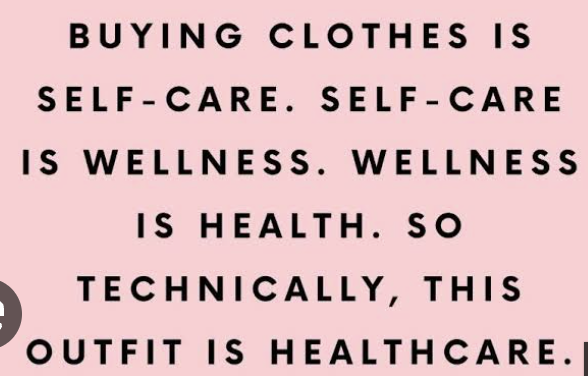
I’m not immune. Just the other day, I saw an influencer wearing the most adorable pair of pants. They looked so incredible that I bought them immediately, and because I couldn’t wait three to five days for delivery, I picked them up at the store the very next day. One look and one feel later, I was asking the cashier if I could return them. Needless to say, they did not look the same as they did on the twenty-something who advertised them.
I’m 100% guilty of consuming wellness trends, too. I’ve lost count of how many products I’ve tried and how many I own. Some I truly love, and some were a huge waste of money. As a therapist and intuitive eating counselor, I’ve spent years helping people build a healthier relationship with food and their bodies, and I know how easily the desire to feel good can turn into the feeling that we’re never doing enough.
There’s nothing wrong with wanting to feel healthy, having questions about nutrition, or finding a supplement that helps with a specific need. But there’s a difference between making informed choices and feeling like we’re constantly falling short.
Social media has turned wellness into something we consume, not just something we practice. We’re encouraged to buy, follow routines, track our progress, and keep searching for the next thing that will help us improve. Behind many of those messages is a business that benefits from convincing us something is missing. The problem is that we can begin to confuse purchasing wellness with actually being well.
When every scroll brings another rule about what to eat, what to avoid, or what to take, it gets harder to trust ourselves. For young women still developing their relationships with their bodies, these messages can be especially powerful. What starts as curiosity can become another way to judge, monitor, and criticize themselves. Wellness starts to feel like another job.
I believe taking care of ourselves can be simpler, though not always easy. It means eating enough food and enjoying a variety of it. Getting enough sleep, moving in ways that feel good, building strength, connecting with people we care about, and making room for rest. It means recognizing that our needs change and that no single formula works for everyone.
Sometimes supplements are appropriate and helpful. But more isn’t necessarily better, and a product promoted online isn’t automatically safe, necessary, or right for you. Your needs are individual, and the people who know your health matter more than any influencer’s curated routine.
Most importantly, our worth is not determined by how well we follow a wellness routine.
Perhaps the real work is learning to pause, question what we’re being sold, and notice what genuinely helps us feel better. Wellness should not leave us feeling inadequate, anxious, or preoccupied with everything we think we need to fix. It should help us feel more at home in our bodies and our lives.
And sometimes, the healthiest choice isn’t adding one more thing to our routine. It’s learning to trust ourselves a little more.
If you’ve ever bought the thing, tried the thing, and still felt like you weren’t doing enough (me too, see: the pants), I’d love to help you find what actually works for you.